
By Davis Blount
In the eight years since the release of their debut album, Ursus Oreamnos Americanus, Grizzly Goat has grown in scope, influence, and geographical location. While some members pulled up stakes in Utah to head for North Carolina, the group has only used that distance to broaden their appeal and branch out into new markets. There is no denying the logistical strain of a cross-country partnership for any creative endeavor; gone are the days of laid-back jam sessions in one another’s garages and last-minute invitations to perform. As a band that stretches across nearly two-thirds the width of the country, Grizzly Goat doesn’t have the luxury of performing for the same fans multiple times a month.
What is striking, though, about this challenge is how Grizzly Goat has adapted their approach to turn it into a steppingstone. Instead, the group has embraced social media and digital communication as a way to tend to those connections.

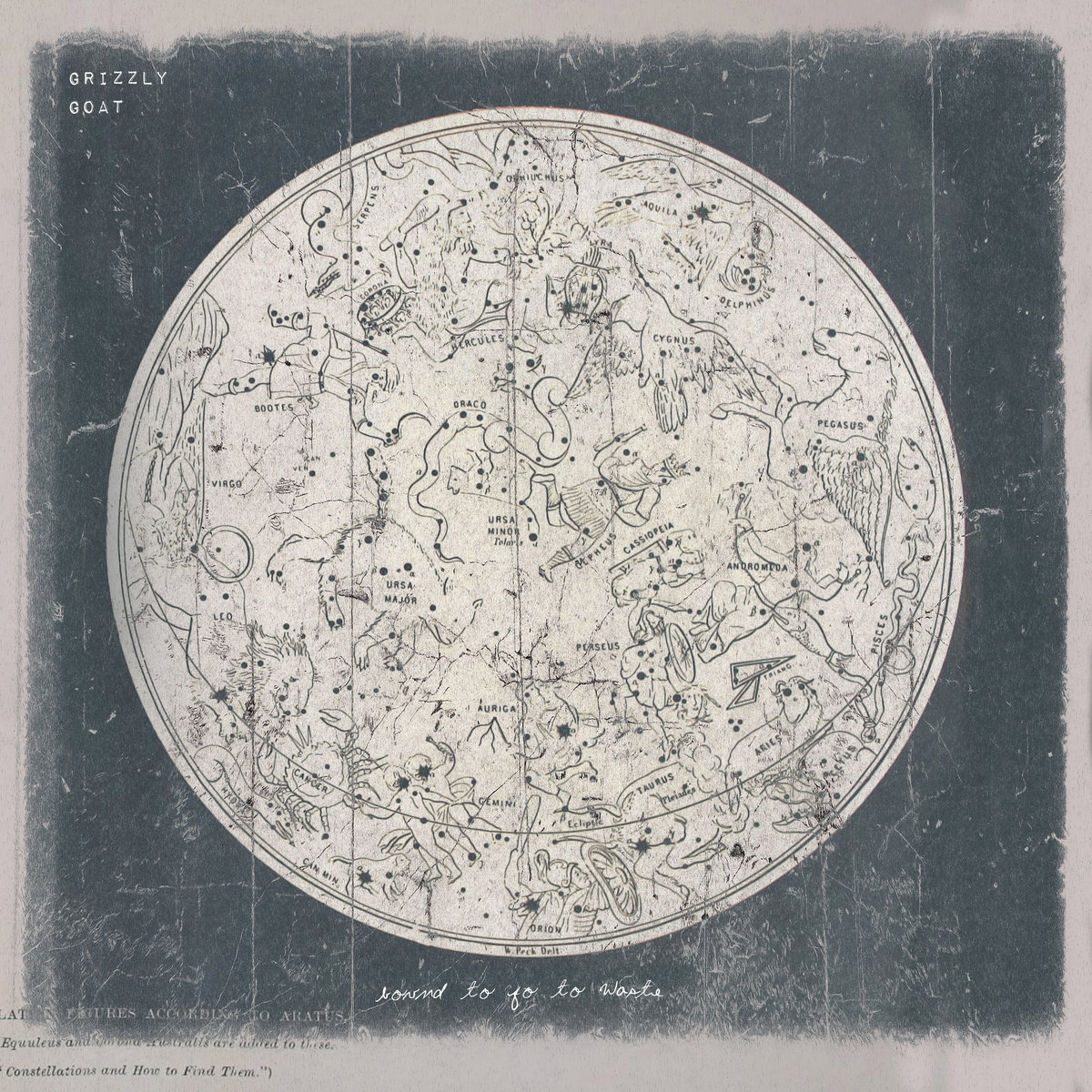
A common theme in Grizzly Goat’s works is the message that things rarely go according to plan but there can still be joy in the journey or effort. In June of 2020 when the band released Bound to Go to Waste, the theme could not have been more timely. Ravaged by the COVID-19 pandemic, society was still reckoning with just what the outbreak meant for the present and the future. While Grizzly Goat couldn’t have known the circumstances regarding the album’s release, the band’s signature style of sobering lyrics and evocative music met the moment.
Like the band, Bound to Go to Waste increases in scope from previous efforts; by tapping into the rich history and geography of the nation, the album pulses with vibrant energy. The album visits lesser-known and often shameful chapters of American history to remember the forced relocation of indigenous peoples and the slavery debate surrounding Kansas’s introduction as a new state. Neither “Wallowa, Or. 1877” nor “Kansas 1856” get caught up in sermonizing about issues that audiences know were plainly wrong. Instead, Grizzly Goat uses the issues as creative tools to offer a unique and poignant look into the perspectives of the time. While the album’s tone can stir feelings of indignation or discomfort at the reminder of dark pieces of the nation’s past, the album thrums with a spirit of hope and wonder at this great, albeit imperfect, country. Things are and always have been fl*pped to h*ck, but we can learn from the past to make a better future together.

While Bound to Go to Waste explores grand themes, the album also makes time for more personal stories, like in the album’s opening track, “Time.” — a good reminder that our time is both a finite and non-renewable resource. We get one shot at this life; how do you plan to spend your time? Serene strums make room for Nate Waggoner’s ruminations on the slippery nature of time, inviting listeners to consider:
Oh, in time, you’ll lose your compass for compassion / If you wear your haste like its high fashion / Will you be happy when you cash in / Such a high commodity?/ When at birth you got it free? / Tomorrow is no guarantee / So would you spend some time on me?
Such a turn of phrase forces listeners to consider just how they’ve been “spending” their time. The final request, to spend that time on someone else, beautifully illustrates what a loving gift quality time can be. In a fast-paced world that is constantly vying for our attention, what better way could we signal our priorities to a friend or loved one than by actively choosing to spend our time with them? Time, as a currency, is spent each day whether we are conscious of it or not.
Grizzly Goat’s website describes the band’s sound as “undomesticated folk-rock.” Bound to Go to Waste lives up to the designation, drawing inspiration from rich history and untamed lands. The album, while a resounding success, leaves the desire for more moments that are less domestic, space to fully let the beast out of the cage. It is a fine line to walk, as many who pursue folk-rock know. The weight of genre trappings can sometimes have their own gravitational pull. When a banjo, harmonica, mandolin, and fiddle are featured in a song, a less shrewd band may feel the need to cling rigidly to a bluegrass ensemble or the “holler and stomp” that seemed inescapable in the early 2010s. Yet Grizzly Goat’s vision pushes through normal genre conventions into something more untamed (or, as the band puts it, undomesticated).

Songs like “Kentucky 1778” have a contagious feel, something that makes you want to grab the nearest jug of sour mash root beer and cheer on the band until every string on the banjo snaps and the fiddle starts smoking. Grizzly Goat has nearly perfected the art of making pleasant songs with insightful lyrics.
When trying to describe Grizzly Goat’s sound and style, comparisons rush to mind. It is easy to compare them to the wild poetry of Townes Van Zandt, the harmonious folk-rock of the Avett Brothers, or even the holler-and-stomp artists of the early 2010s. But even a composite of these sources fails to capture the breadth of the band’s talent. Grizzly Goat is a band that gets better with age and experience, a group that incorporates the joys and sorrows of life into their music. Just as the group is influenced by the events of the past and the present, listeners can take the band’s sonic sermons and help influence the future for the better, amplifying the messages and lessons learned found within Bound to Go to Waste.
Be sure to follow Grizzly Goat on Instagram and check out both Bound to Go to Waste and the group’s newest album, What Will the Harvest Be?, which dropped last week! You can listen to “Time” below.